When a tragedy occurs at a public event, people expect the state to protect life, tell the truth, and accept responsibility when things go wrong. Hillsborough challenges all three expectations. More than 30 years on, it remains a powerful lesson in what happens when accountability is delayed, resisted, or avoided. The disaster not only exposed failures on the day but also deeper problems in how institutions respond when their actions are questioned.
The Duty of Care and Its Breakdown
State accountability begins with the duty of care. When authorities oversee public safety, they are responsible for planning, crowd control, and emergency response. At Hillsborough, this duty failed. Supporters entered an environment where decisions were made without a proper risk assessment.
The failure did not stop with the loss of life. Accountability requires a clear admission of mistakes and a willingness to learn. Instead, early responses focused on deflecting blame. It damaged trust and made accountability harder to achieve in the years that followed.
Truth as a Cornerstone of Accountability
Telling the truth is central to state responsibility. After Hillsborough, many families expected openness from police and public bodies. What they encountered instead were delays, contested narratives, and long legal battles.
Examples include concerns about altered statements and withheld information. These issues are not minor technicalities. They shape public understanding and influence legal outcomes. When truth is managed rather than shared, accountability becomes impossible. This pattern is not unique to Hillsborough, which is why the case resonates far beyond football or the United Kingdom.
Policing Oversight and Power Imbalance
Hillsborough highlights the importance of independent oversight of policing. When police investigate themselves, confidence in the outcome is weakened. Families and survivors were left feeling that power protected itself.
This imbalance is evident in numerous global cases, where communities struggle to challenge official accounts. Effective oversight must be independent, transparent, and responsive to ensure accountability. Without it, accountability becomes a promise rather than a practice.
Human Rights and the Right to Justice
At its heart, Hillsborough is a human rights issue. The right to life includes the right to protection and the right to an effective investigation when life is lost. Delayed justice undermines these rights.
Families spent decades seeking recognition of what happened to their loved ones. Their persistence reflects a broader global struggle in which victims must fight institutions just to be heard. Hillsborough demonstrates that accountability is not only about the law, but also about dignity and respect.
Lessons Beyond Hillsborough
The lessons from Hillsborough apply worldwide. States must recognise that accountability strengthens institutions rather than weakens them. Admitting failure, preserving evidence, and listening to those affected are signs of integrity, not vulnerability.
That is where the story connects to broader conversations on human rights, policing oversight, and accountability failures. Hillsborough remains relevant because it illustrates what happens when systems close ranks instead of opening doors.
A Book That Places Hillsborough in a Wider Context
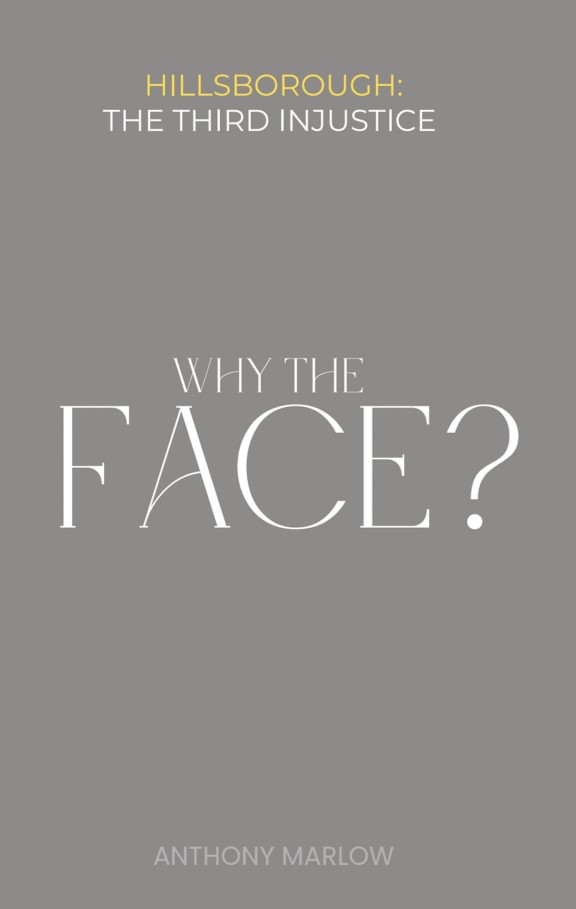
Anthony Marlow’s Why the Face? Hillsborough: The Third Injustice places these issues into sharp focus. The book positions Hillsborough within global discussions about state accountability by examining how evidence, power, and resistance shaped the aftermath. It reminds readers that accountability delayed can become accountability denied.
For those interested in understanding what Hillsborough teaches us about the responsibilities of the state and the cost of failing to meet them, Why the Face? Hillsborough: The Third Injustice by Anthony Marlow is strongly recommended reading.
Discover this book, available on Amazon: https://www.amazon.com/dp/B0G5BK2NYL/