Numbers are often the first thing people hear when discussing tragedies. They are used to explain scale and impact, but they can also create a sense of distance. When discussing Hillsborough, numbers alone are insufficient. Behind every figure was a person with a life, a family, and a place in their community. Remembering the human faces behind the numbers is essential if the story is to be understood fully and honestly.
When Numbers Replace Names
Statistics are useful, but they can unintentionally strip away meaning. Saying that 96 people died explains what happened in broad terms, but it does not explain who they were. They were sons and daughters, parents and friends. They had plans for the following day, jobs to return to, and people waiting for them at home.
When tragedy is reduced to statistics, the individuality of each person can become lost. That is why many families and survivors have worked so hard to keep names, faces, and stories at the centre of the Hillsborough narrative. It is not about emotion for its own sake. It is about accuracy and respect.
The Power of Individual Stories
Personal stories help people understand the true cost of loss. Hearing about someone who travelled to a match expecting a normal afternoon, or a family member who waited for news that never came, brings clarity that statistics cannot. These stories remind us that what happened was not abstract, but it is personal. It happened to real people in real time.
Examples shared by survivors often focus on small moments. A shared conversation, a missed train, a phone call that never came. These details matter because they restore individuality, dignity, and humanity to those lost and affected. They also help future generations understand why Hillsborough still matters.
Dignity in Memory
Remembering individuals is also about dignity. Families have spoken for years about wanting their loved ones to be known for who they were, not for how they died. That is why memorials, anniversaries, and written accounts focus on names and faces rather than numbers alone.
Dignity is preserved when people are remembered as whole individuals. It is preserved when their stories are told carefully and truthfully. This approach challenges the notion that time should advance the story without a thorough understanding of it.
Humanity Beyond the Tragedy
The impact of Hillsborough did not stop with those who died. Survivors, families, and witnesses carried the weight of their experiences into their daily lives. Remembering the human faces behind the numbers includes recognising this ongoing effect.
Many people lived with unanswered questions, grief, and the strain of not being believed. These experiences are part of the human story of the Hillsborough tragedy. They show that loss does not end at the moment of tragedy. It continues in quieter ways long after.
A Book That Restores the Human Story
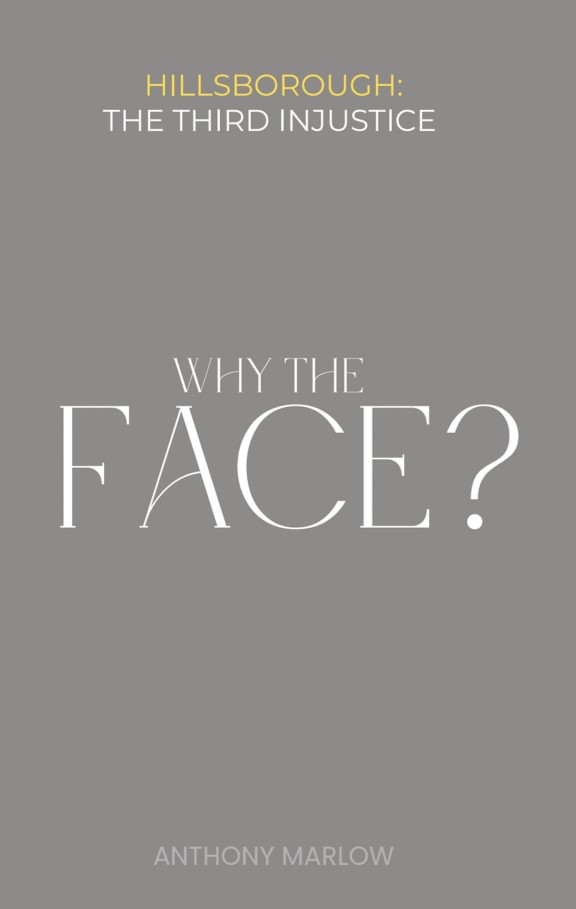
Anthony Marlow’s Why the Face? Hillsborough: The Third Injustice places people back at the centre of the narrative. The book moves beyond statistics to restore individuality, dignity, and humanity to those who have been lost and affected. By focusing on lived experience, it reminds readers that Hillsborough is not just a historical event, but a collection of personal stories that deserve to be remembered with care and respect.
For readers who want to understand Hillsborough beyond the numbers, Why the Face? Hillsborough: The Third Injustice by Anthony Marlow offers a thoughtful and human perspective that is well worth reading.
Discover this book now, available on Amazon: https://www.amazon.com/dp/B0G5BK2NYL/.